

When you’re planning a built in wardrobe, it’s easy to think it’s just about picking shelves, drawers, and hanging rails. But once you start using it every day, you quickly realise what works and what doesn’t.
Maybe the doors bump into furniture, the drawers feel awkward to reach, or there’s never enough space for shoes. A built in wardrobe looks simple, but getting it right takes more thought than most people expect.
It’s about finding that balance between what looks good and what actually works for your routine. A few smart choices early on can save you from years of frustration later.
Let’s talk about the most common mistakes people make when designing built in wardrobes, and how you can avoid them.
Common Mistakes to Avoid When Designing Built-in Wardrobes
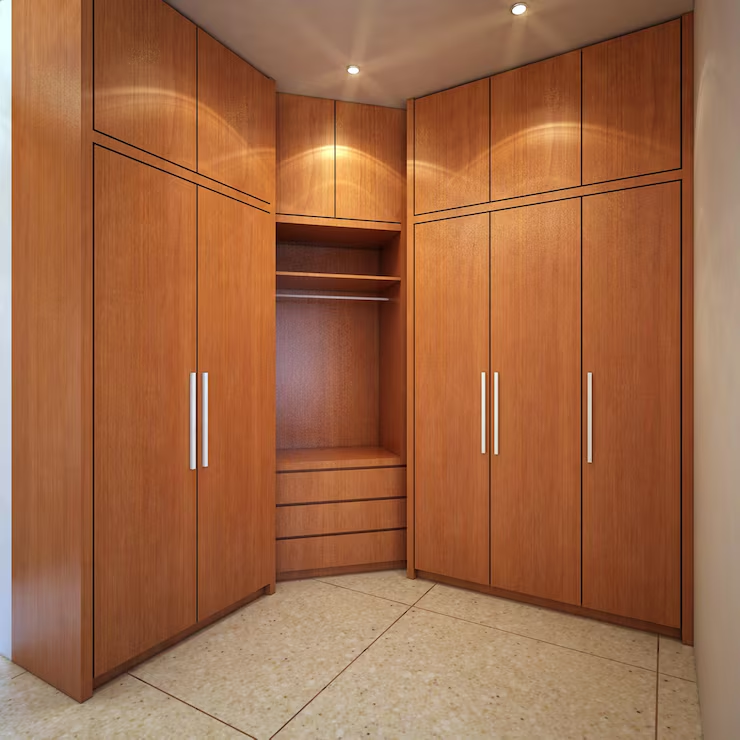
Here are some of the biggest slip-ups people make when planning their wardrobe, along with a few simple ways to fix them before they become problems.
1. Not Thinking About How You Actually Use Your Wardrobe
Most people start with how they want their wardrobe to look. They choose everything from glossy doors, matching handles, fancy drawers. But the real starting point should be how you live.
Ask yourself:
- Do you hang more or fold more?
- Do you need space for shoes, bags, or accessories?
- Who will use the wardrobe, one person or two?
A built in wardrobe works best when it’s designed around your habits. If you wear suits every day, you’ll need more hanging space. If you love shoes, plan adjustable shelves. When function leads design, everything else falls into place.
2. Forgettingmir About Lighting
Lighting is one of the easiest things to overlook, and one of the hardest to fix later. Without good lighting, even the most beautiful walk in wardrobe design can feel dull or cramped.
Think about adding soft LED strips along shelves or sensor lights inside drawers. Not only does it make the space look premium, but it also saves you from rummaging around in the dark on early mornings. A little light goes a long way toward making your wardrobe more enjoyable to use.
3. Wasting Internal Space
You’d be surprised how many built in wardrobes waste valuable space simply because of poor layout. Sometimes shelves are too deep, hanging rods are too high, or drawers don’t open fully because of door placement.
A few small tweaks can make a big difference:
- Keep the top shelf within easy reach, not so high you need a step stool.
- Use half-hanging sections for shirts and pants instead of one long hanging rail.
- Add pull-out trays for belts, scarves, or jewellery to avoid cluttered drawers.
Smart planning makes your wardrobe feel larger and more practical without needing extra space.
4. Picking Style Over Function
We all want wardrobes that look sleek. But sometimes, what looks good in a showroom doesn’t hold up in real life. For example, glossy surfaces can show fingerprints and scratches easily. Sliding doors might seem modern but can limit access to half the wardrobe at a time.
Before you decide, think about daily use. A wardrobe that’s easy to clean and simple to maintain will always outlast one that just looks stylish.
5. Ignoring Small Details That Matter Later
It’s often the little things that make or break your wardrobe experience. Handle placement, hinge quality, mirror positioning, these details seem minor during design but affect your routine every single day.
Soft-close hinges keep things quiet and prevent wear and tear. Full-length mirrors save you space and time.
Even the direction your doors swing matters if your wardrobe sits near other furniture. These details don’t just make life easier, they make your wardrobe feel thoughtfully designed.
6. Not Getting Expert Help
With so many options for layouts, finishes, and fittings, it’s easy to miss something important when designing a built in wardrobe on your own. That’s where expert advice comes in handy.
Professionals understand how to make every corner work. Whether it’s a compact bedroom wardrobe or a spacious walk in wardrobe design. They can suggest better materials, smarter layouts, and finishes that suit your lifestyle.
Wrapping It Up
Not every home has the luxury of space, but with smart planning, a small laundry can still pack in plenty of function. Stacked washing machines and dryers, overhead cupboards, and pull-out hampers help make the most of every inch.
Compact sinks, sliding doors, and bright finishes also help open up the space. In many newer Adelaide apartments, these smaller laundries are a clever mix of design and practicality.
Hidden or European Laundry
A growing trend in laundry design across Adelaide is the hidden or European-style laundry. Instead of having a separate room, the laundry is tucked behind cabinetry in a hallway, kitchen, or bathroom.
When closed, it looks like a sleek cupboard. But when you open it, you get a fully functional laundry workspace. It’s ideal for homes with limited floor area and for people who prefer a clean, minimalist look. With integrated storage and quiet appliances, you’d hardly know it’s there.
Smart Design Additions That Make a Difference
Great laundry design isn’t just about where things go.You also need to see how well the design works together. A few thoughtful inclusions can make daily chores smoother and faster.
Built-In Hampers and Pull-Out Shelves
Gone are the days of freestanding baskets taking up space. Built-in hampers make sorting and storing laundry simple and tidy. Pull-out shelves, on the other hand, create extra bench space when you need it. It is perfect for folding clothes or resting a laundry basket.
Hanging Rails and Benchtops
A hanging rail might sound small, but it’s incredibly handy. It gives you a spot to air-dry shirts or hang freshly ironed clothes. Combine it with a generous benchtop, and you’ve got a practical workspace that helps keep everything off the floor and within reach.
Mudroom Combo
More homeowners in Adelaide are combining their laundry and mudroom areas, and it makes total sense. With a mudroom combo, you can keep shoes, bags, and coats organised right next to where you wash. Add some hooks, a bench seat, and built-in storage, and you’ll have a functional space that’s easy to maintain and perfect for families.
Storage and Wardrobes
Storage is the backbone of every good laundry. Whether it’s tall cupboards for brooms and vacuum cleaners or affordable wardrobes for linens and supplies, well-planned cabinetry keeps everything in its place. Adjustable shelving, pull-out drawers, and vertical storage can make a world of difference, especially in smaller spaces.
Final Thoughts
A well-planned wardrobe is more than storage, it’s something you use every day. When you focus on how it works for you, not just how it looks, your space feels more organised, open, and easy to live with.
Avoiding these common mistakes helps you get a built in wardrobe that feels tailored, not cramped. And if you’re dreaming of a walk in wardrobe design that’s just right, getting the layout and details right from the start will make a huge difference.
Ready to design a built in wardrobe that actually works for your space? Get in touch with Hills Robes and Kitchens, our team can help you plan and help and perfect your wardrobe from start to finish.