

Choosing between glass doors and open shelving in luxury walk in robes is one of those decisions that look simple on paper but feels very different once you start planning your space. You’re not just picking a style. You’re deciding how you’ll use the space every single day. Do you want a clean, enclosed finish that always looks polished or open access that feels effortless and flexible?
Let’s break it down properly so you can make a confident call without second-guessing it later.
Table of Content
What Defines a Luxury Walk in Robes?
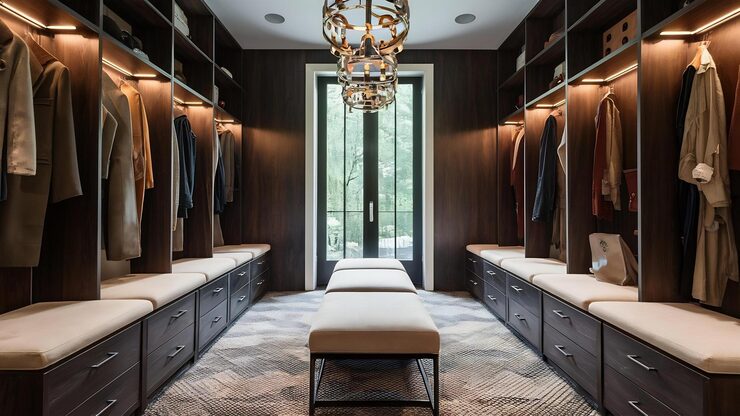
A luxury walk in robe is no longer just about storage. It’s about how easily you move through your routine, how clean the space feels and how well everything stays organised without constant effort.
Modern buyers expect a mix of visibility, order and durability. That includes smart lighting, well-planned compartments and finishes that hold up over time. In many cases between glass doors and open shelving shapes all of that.
Visibility and Daily Convenience
You want to see your wardrobe quickly without digging through piles or forgetting what you own. Good design makes selection easy and reduces daily function, especially in busy households.
Material Quality and Finish Expectations
At this level details are very important. Tempered glass, soft-close hinges, precise joinery and durable laminates all contribute to how “luxury” the space actually feels once it’s in use.
Sleek, Structured and Protective Glass Doors
Glass door small walk in robes bring a strong sense of order. They create a clean, contained look that feels intentional from the moment you walk in. You’ll usually see them in framed, frameless, tinted or fluted designs depending on the overall aesthetic.
Pros of Glass Door
Glass doors keep dust out, which is especially useful in homes where windows are often open. They also give your small walk in robe a showroom-style finish, especially when paired with internal LED lighting. Everything looks structured, even when life gets busy behind the doors.
Cons of Glass Door
You’ll need to stay on top of cleaning because fingerprints and smudges show easily. They also cost more due to materials and hardware and access can feel slightly slower compared to open shelving since you’re always opening and closing doors.
Best Use Cases
Glass doors work best in larger luxury walk-in robes, especially if you prefer a consistently tidy, high-end look without needing to constantly style the mirror.
Accessible, Airy and Flexible Open Shelving
Open shelving removes barriers completely. Everything is visible, accessible and easy to grab. It feels more relaxed and gives you full control over how you organise your space.
Pros of Open Shelving
You can see your entire luxury walk in robes at a glance, which makes getting dressed faster. It also costs less than glass installations and gives you more flexibility to change layouts as your wardrobe evolves.
Cons of Open Shelving
Dust builds up faster, so cleaning becomes part of your routine. It also requires discipline. If things aren’t neatly arranged, the space can quickly look cluttered, even if it’s functional.
Side-by-Side Comparison That is Important
Maintenance and Cleaning
Glass doors need regular wiping to stay clear but they protect your clothes from dust. Open shelving reduces cleaning on the surface but requires more frequent dusting of items.
Aesthetic Impact
Glass feels structured, refined and architectural. Open shelving feels lighter and more casual, but only looks premium when it’s consistently organised.
Cost and Installation
Glass systems usually cost more due to hardware and installation complexity. Open shelving is more budget-friendly but relies heavily on joinery quality to look high-end.
Long-Term Value
Glass doors often increase perceived resale value because they create a polished, finished appearance. Open shelving appeals more to lifestyle-focused buyers who prioritise convenience.
Which Option Works Best for Your Lifestyle?
The better choice comes down to how you actually live, not just how the space looks on day one. If you prefer structure, minimal upkeep and a consistently clean look, glass doors make more sense. If you want quick access and a more flexible setup, open shelving will suit you better.
The Hybrid Approach
Many modern local wardrobe designers now recommend a mix of both. Glass doors for formal or display sections, and open shelving for daily-use items. It gives you structure where you need it and speed where it matters.
Key Buying Tips Before You Decide
Before locking anything in, focus on how the space will function daily. Lighting plays a big role, especially with glass doors, where internal illumination can elevate the entire look.
Check material durability, hinge quality, and ventilation, particularly for enclosed sections. Most importantly, design the layout around your habits, not a showroom template.

FAQs
-
Are glass wardrobe doors hard to maintain?
They need regular cleaning to remove fingerprints, but they’re easy to maintain with simple wiping.
-
Does open shelving make a walk-in robe look messy?
Only if it’s not organised. With consistent styling, it can look clean and modern.
-
Which option is more expensive?
Glass doors generally cost more due to materials and installation requirements.
-
Can I combine both in one robe?
Yes, hybrid designs are common and often deliver the best balance of style and function.
In Summary
Both glass doors and open shelving can work beautifully in luxury walk in robes when they’re designed properly. The real difference is how you want to interact with the space every day.
Glass gives you structure and polish. Open shelving gives you speed and flexibility. The best decision is the one that fits your routine without forcing you to constantly manage the space.
If you’re unsure, speak with a specialist who can design around your lifestyle rather than a fixed layout.
At Hills Robes & Kitchens, we can help you design a tailored walk-in robe that balances style, storage and everyday practicality. Reach out today.