

You’ve probably come across all the usual wardrobe advice by now. Be it storage hacks, organisers or ways to fit more in without turning into a mess. It’s everywhere and most of it works. But it all looks in the same place: inside the wardrobe.
We feel the doors are not just ignored in room decor but also underused. Hinged wardrobe doors, for instance. They are a staple; we use them every day and we treat them like they don’t have a role beyond covering things up. That’s not entirely true because in the era of practicality, you can even make good use of your wardrobe door.
The interesting part is none of this needs a full redesign. It’s just a matter of using the doors differently. Here are a few ways that actually work.
Use the Doors for the Things That Don’t Have a Proper Place
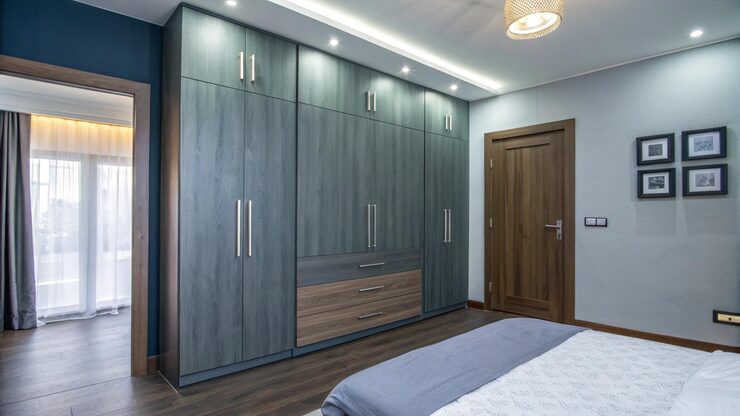
You already have a few things in your room that never stay where they should. For example:
- Clothes you’ve worn once but aren’t ready for the wash.
- A handbag you keep switching between.
- A light jacket you end up grabbing most evenings.
Funnily, these things usually land on a chair or the bed. So the very first step you can take is to use the inside of your hinged wardrobe doors for that. This works even better when your bedroom built in wardrobes are planned with this in mind.
However, you can still make it work with what you already have. Start by adding a couple of hooks or a slim rail and keep it limited to those in-between items. You can also use a small organiser for things you reach for often, like belts, scarves, sunglasses, a watch or even a few bangles or earrings.
When you are planning for these upgrades, it is recommended that you shouldn’t try to turn your hinged wardrobe doors into full storage. If the door stops closing properly, you’ve gone too far.
Use the Front So It Doesn’t Feel Like an Afterthought
Now look at the outside of the door. If it’s just a flat panel, it’s probably the one part of your room that isn’t doing anything. And because it takes up a decent amount of space, it stands out more than you think.
Usually people want these details in their custom wardrobes in Adelaide, because the standard ones don’t always get this part right.
Nonetheless, you can work with the existing wardrobe doors. Add simple panelling if the surface feels too plain. Shift the colour slightly so it’s not exactly the same as the walls. Change the handles if they feel generic.
If you need a mirror, put it on the front instead of adding another piece to the room. You’ll use it more because it’s already in your routine.
FAQs
-
What can you do with hinged wardrobe doors besides hanging clothes?
You can use both the inside and outside surfaces for practical things—hooks, organisers, mirrors, or even small utility setups for everyday items.
-
Is it worth upgrading if my appliances still work?
Yes, as long as it stays slim and lightweight. Hooks, rails, and shallow organisers work well without affecting how the doors function.
-
Are hinged wardrobe doors suitable for small bedrooms?
They can be, especially if you use the doors themselves to reduce the need for extra furniture or storage elsewhere.
Final Thought
Most hinged wardrobe doors aren’t difficult to use; they just leave a few loose ends. Things that don’t quite have a place, or end up sitting out because putting them away feels like more effort than it should.
The bedroom built in wardrobes are usually part of that gap. They’re there, they’re used constantly, but they’re not doing much beyond opening and closing.
Once you start using them with a bit more intent, those small gaps close on their own. You’re not working around the wardrobe as much, and the room stops feeling like it needs constant resetting.
If you’re at the stage where you’re rethinking how your space actually works, at Hills Robes and Kitchens, we design wardrobes with that in mind from the start. Not just how they look when they’re done, but how they actually get used day to day. It’s often the smaller details like how the doors are planned that make the biggest difference once you start living with it.